
Getting your first 10 customers: a no-budget playbook
Before ads, before SEO, before 'scale': the unglamorous methods that actually produce a new business's first ten buyers.
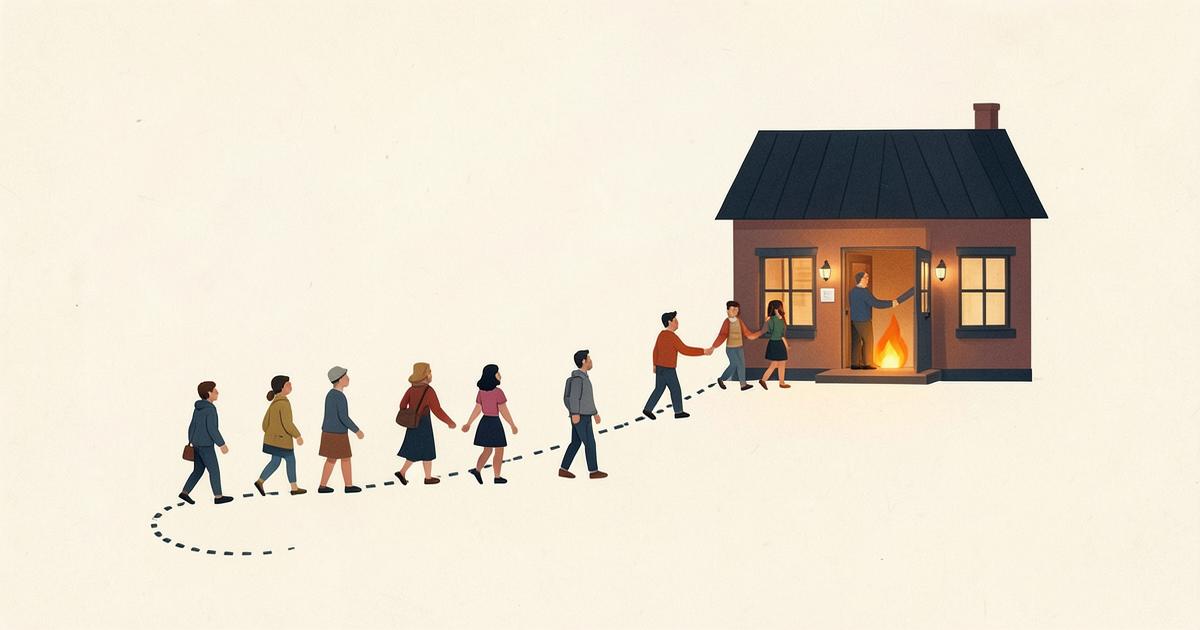
Every guide to business growth assumes you already have customers. This one doesn't. The first ten customers are a different game from customer number one hundred: you can't afford ads yet, you have no reviews, and nobody's searching for you by name. Good. That forces you to use the methods that work best anyway.
1. Sell to people who already trust you
Not friends-and-family discounts, actual people in your network who have the actual problem. Former colleagues, club members, group chats. Message them individually, not as a broadcast. "I made this for people who struggle with X, and I genuinely think it fits what you told me last year" converts at rates no ad can touch, because it's true.
2. Go where the problem is complained about
Every niche has a place where its frustrations gather: a subreddit, a Facebook group, a Discord, a forum, a local Facebook community. Spend two weeks there being useful, answering questions, no links, before you ever mention what you sell. When you do, it lands as help, not spam.
3. Do the unscalable thing
Offer the first ten customers something you'll never offer again: a setup call, a custom version, handwritten thanks, double the product. It costs you time instead of money, and time is what you have. Those ten customers become your reviews, your case studies and your word of mouth.
4. Borrow an audience
Someone already gathers your customers: a newsletter, a YouTube channel, a local group, a complementary business. Offer them something genuinely useful for their audience, a free guide, a workshop, a discount, and most will share it. One good partnership can outperform six months of posting.
5. Make the first purchase tiny
A £9 template, a £15 audit, a sample pack. A small first transaction isn't about the revenue, it's about converting a stranger into a customer, which is the hardest psychological step. Customers who've paid you once are dramatically easier to sell to again. If you sell digital products, platforms like Fluxora let you stand up a small, clean storefront for that first low-friction offer in an afternoon.
The ten-customer review
When you hit ten, stop and interview them. Why did you buy? What nearly stopped you? Where did you first hear about us? Ten short conversations will tell you more about your marketing than any analytics dashboard, because at ten customers, every answer is still a story with a name attached.
The first ten customers are found, not attracted. Knock on doors, be useful in public, make small offers easy to say yes to. Scale is what you do after the first ten teach you what you're actually selling.